Still Standing
This piece began as a painting from two years ago titled Slowly — a work that was admired by many but never fully felt like mine. Recently, I decided to paint over it.
The morning I began, I forgot the canvas was leaning on the floor and struck my foot hard against its edge. The injury lingered, dark and painful — most likely a broken toe — but I painted anyway.
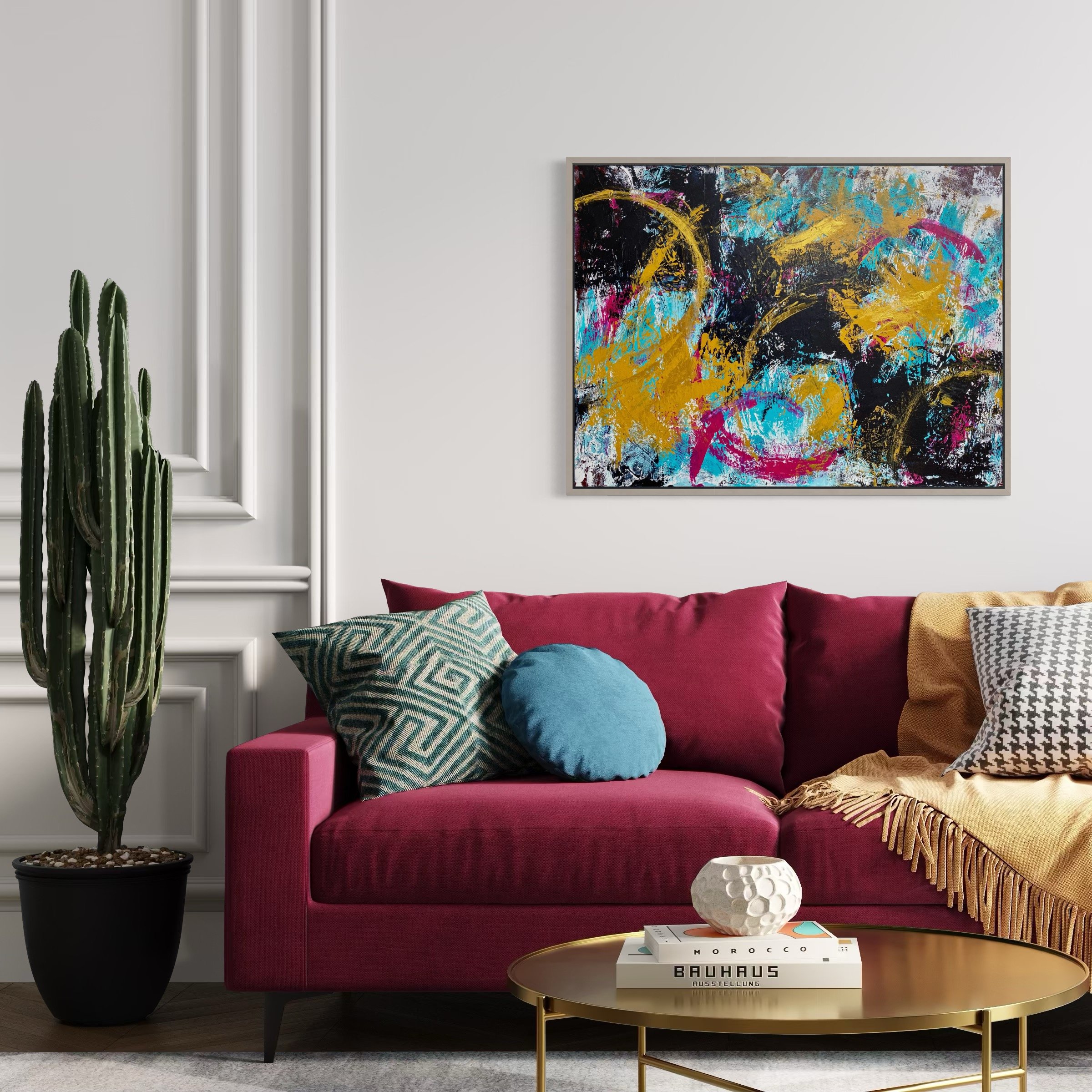
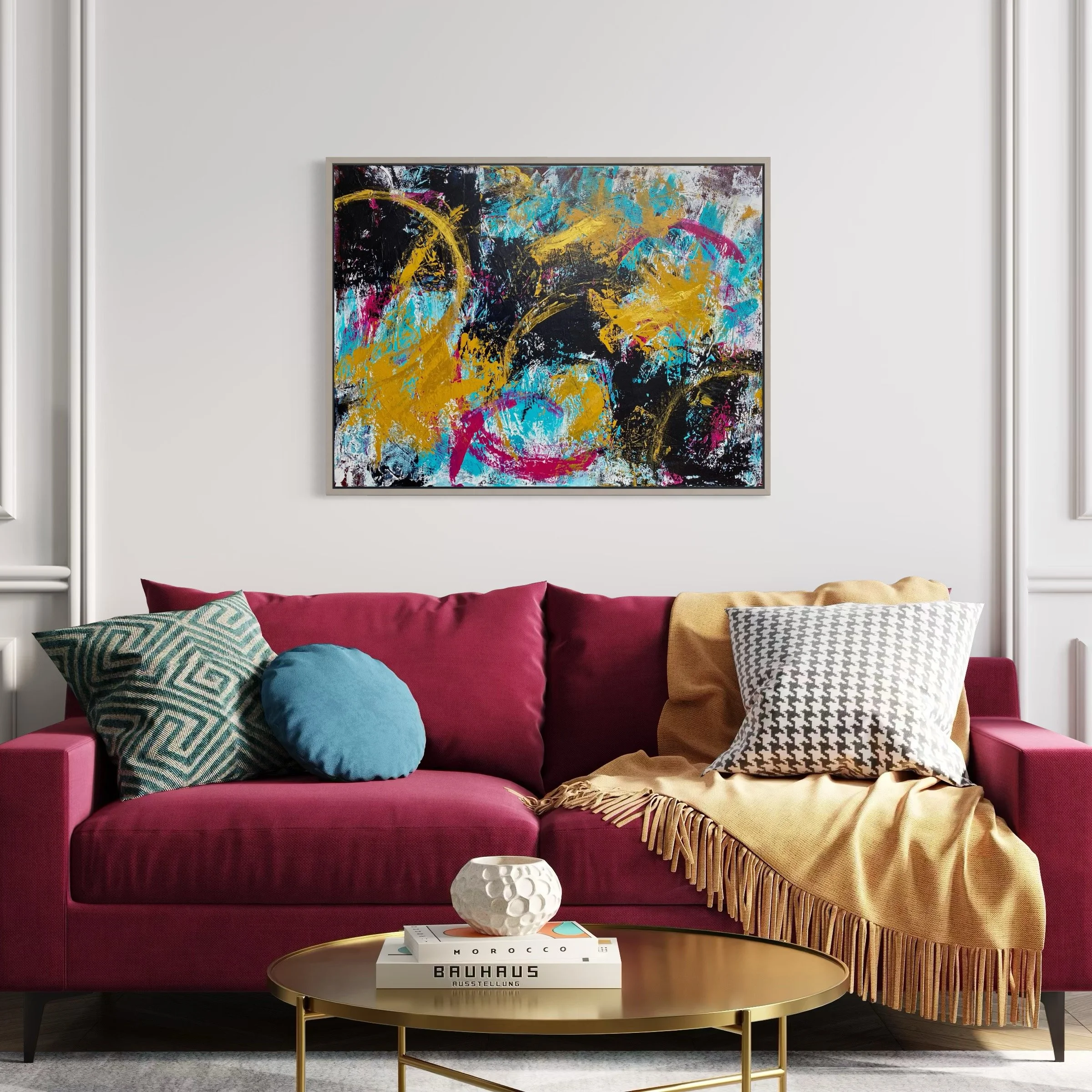
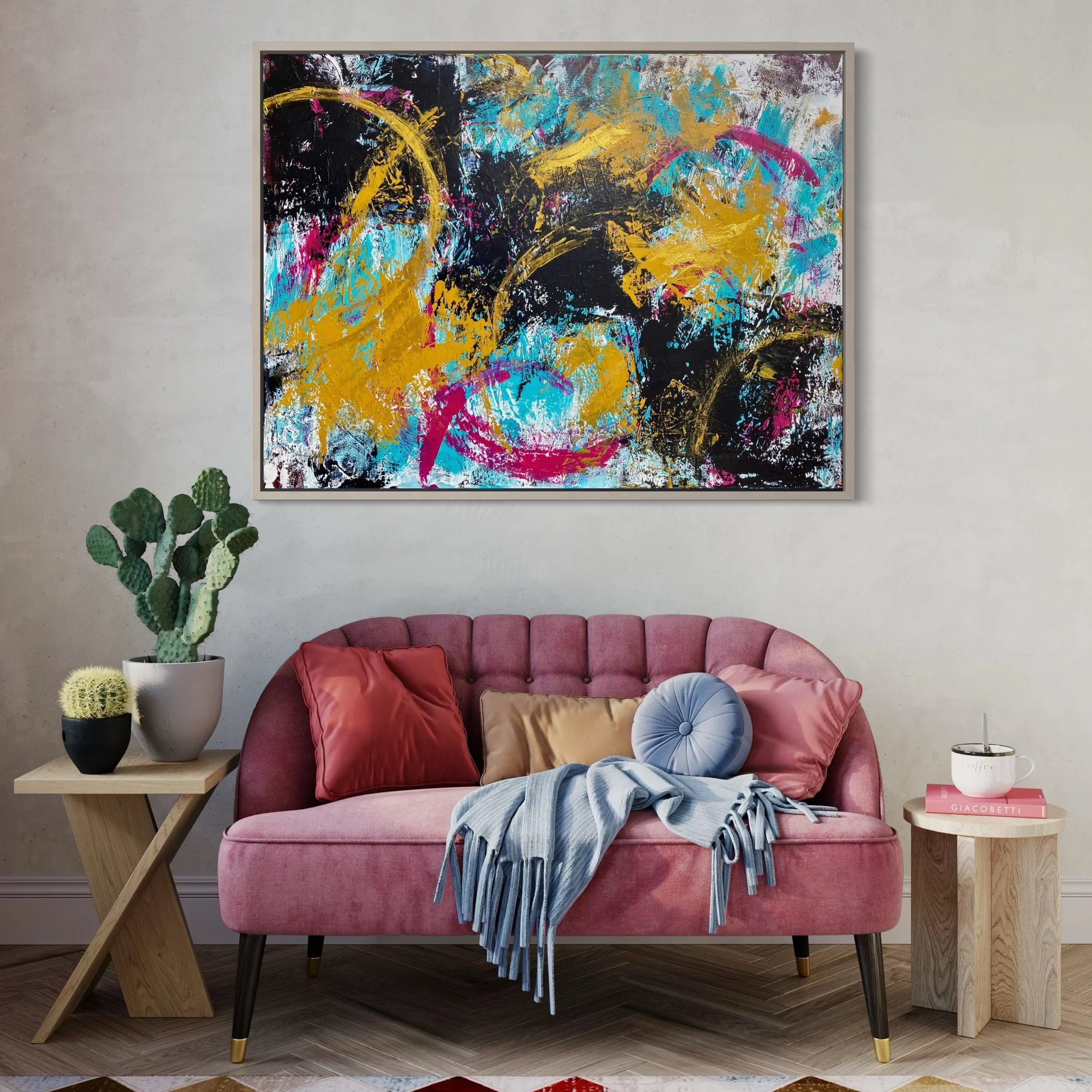
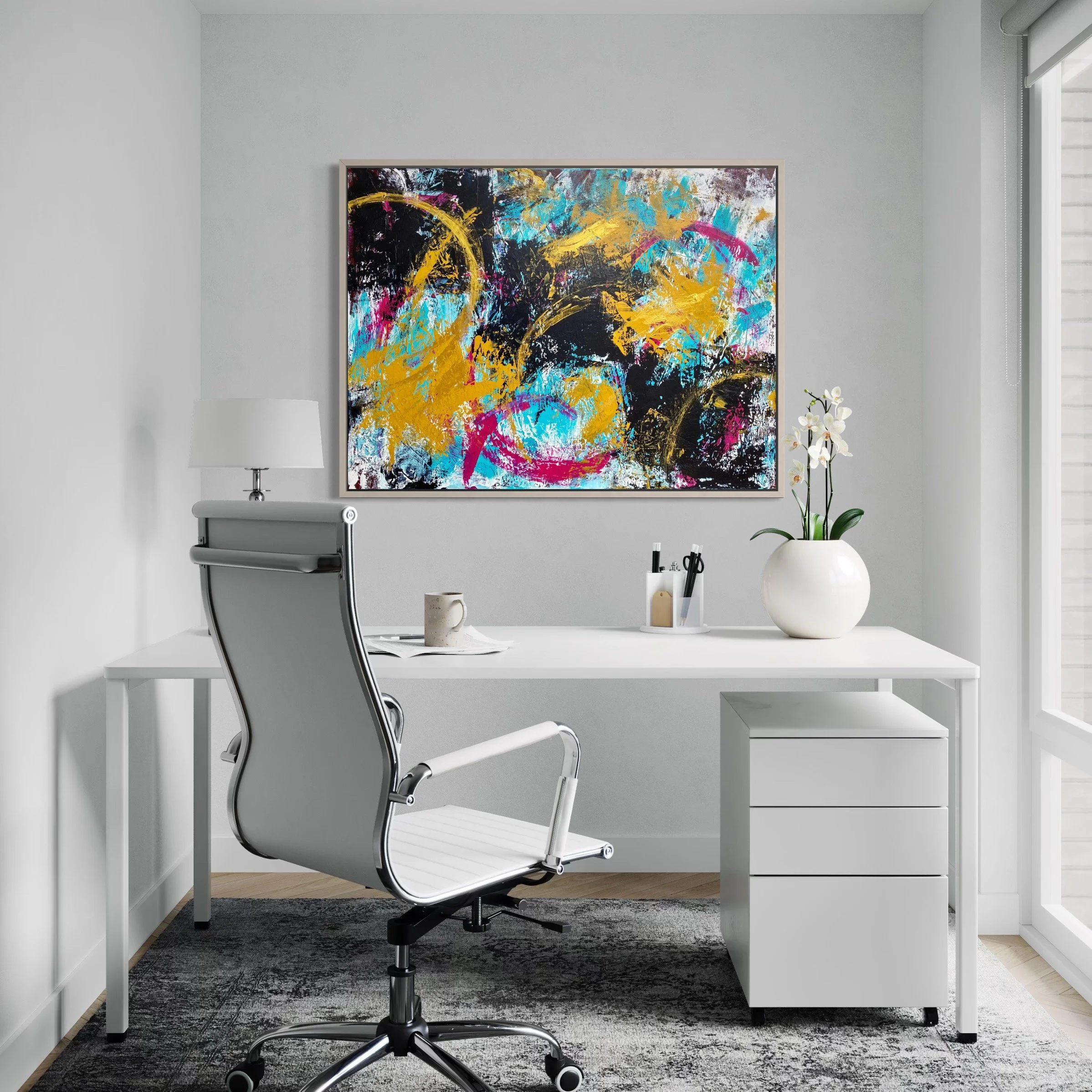
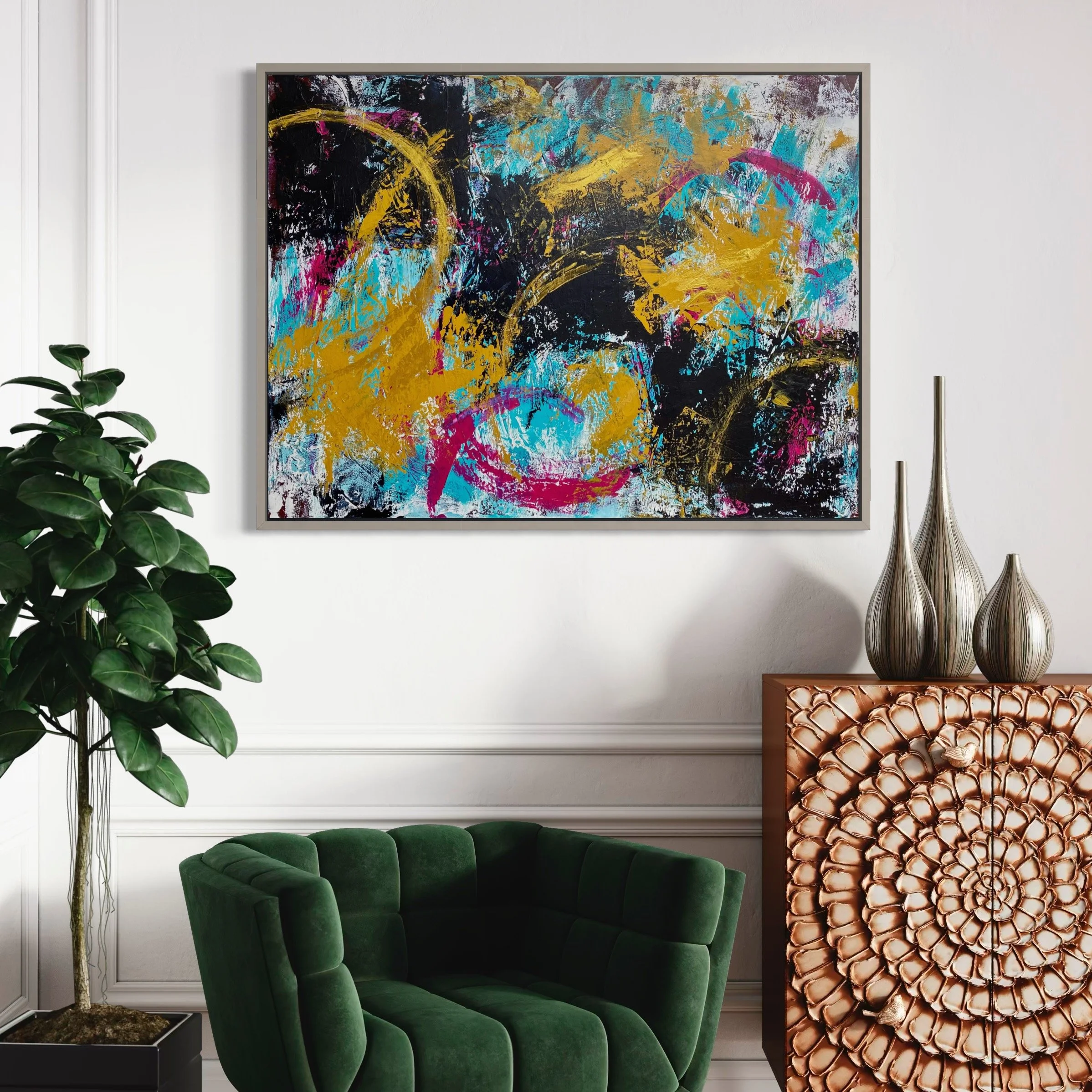
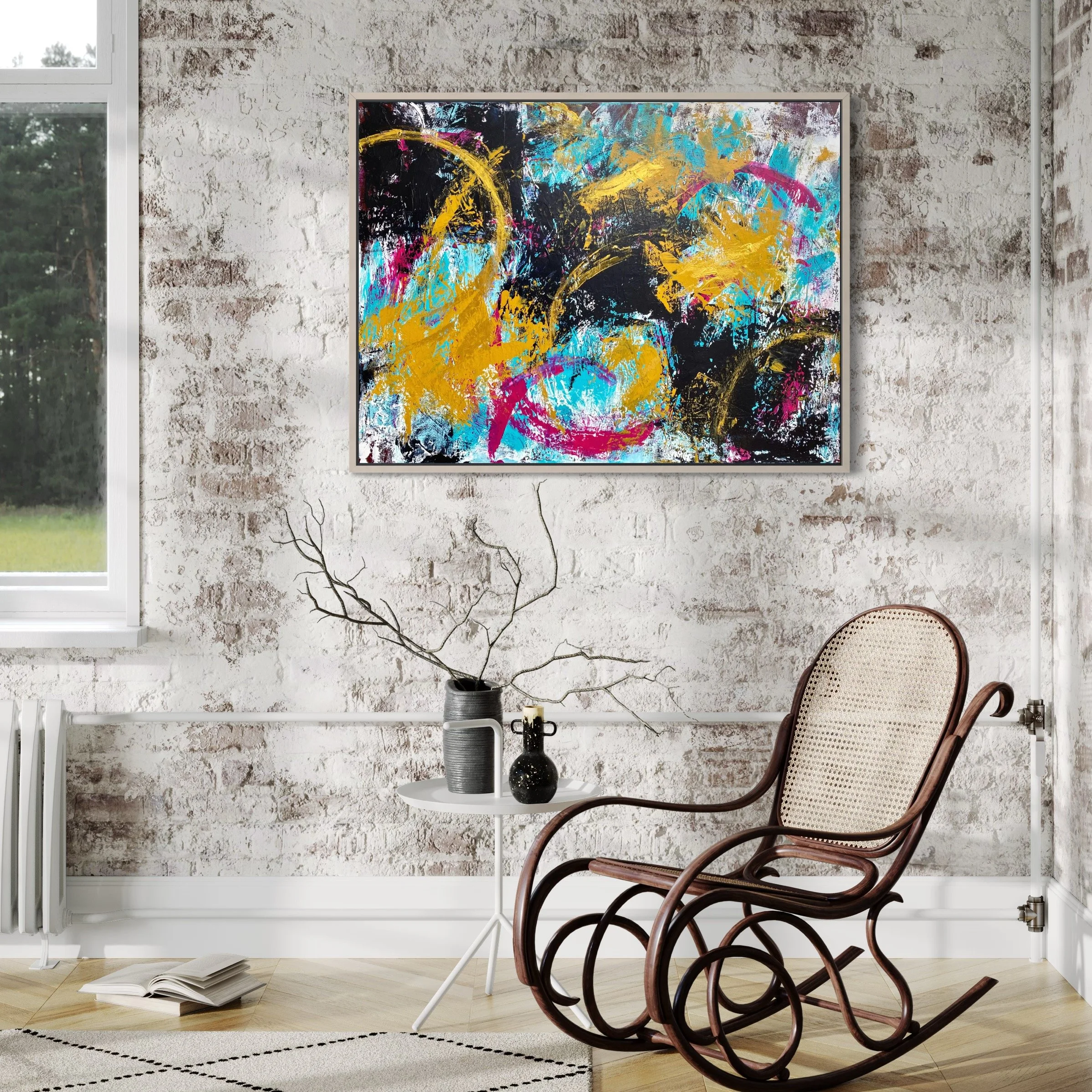
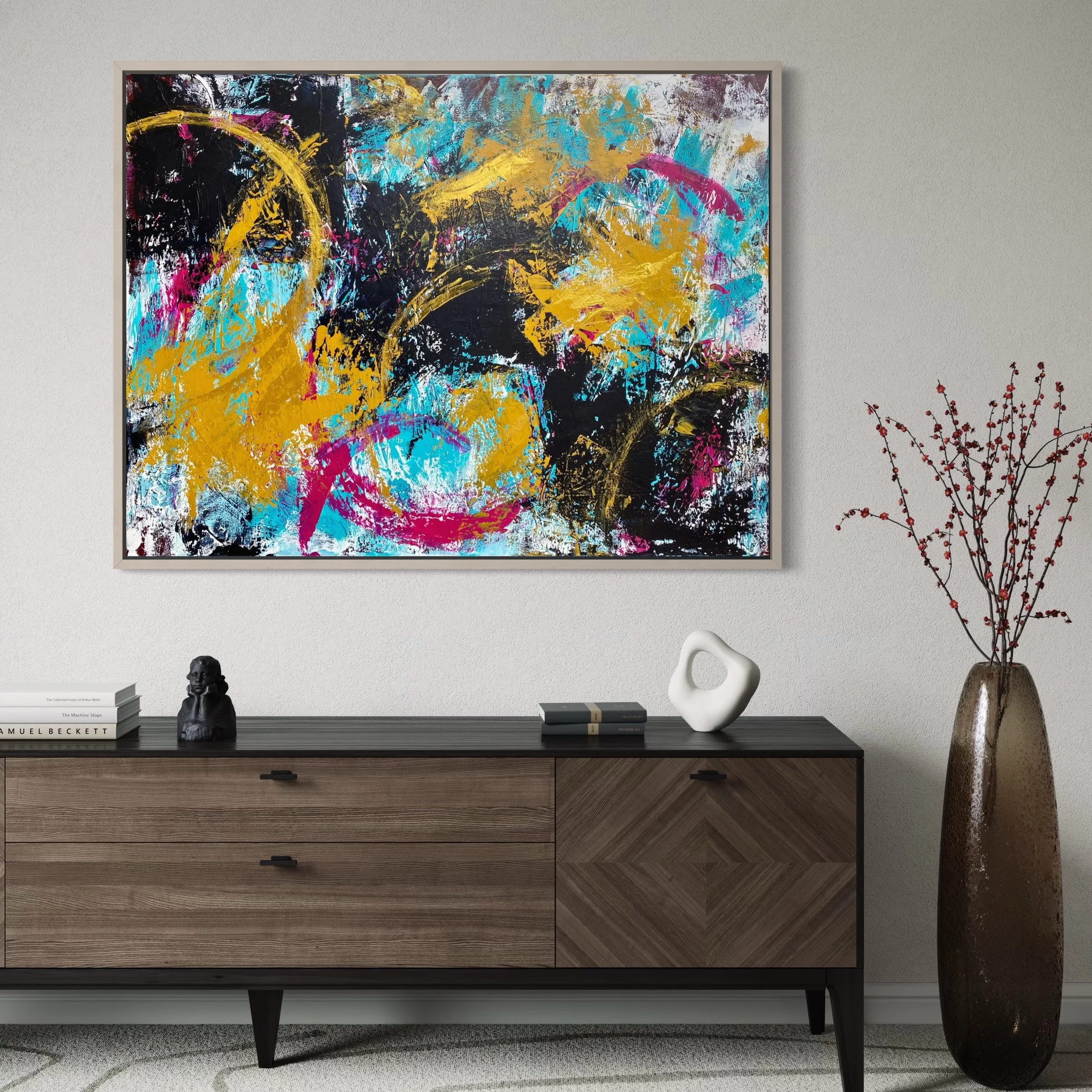
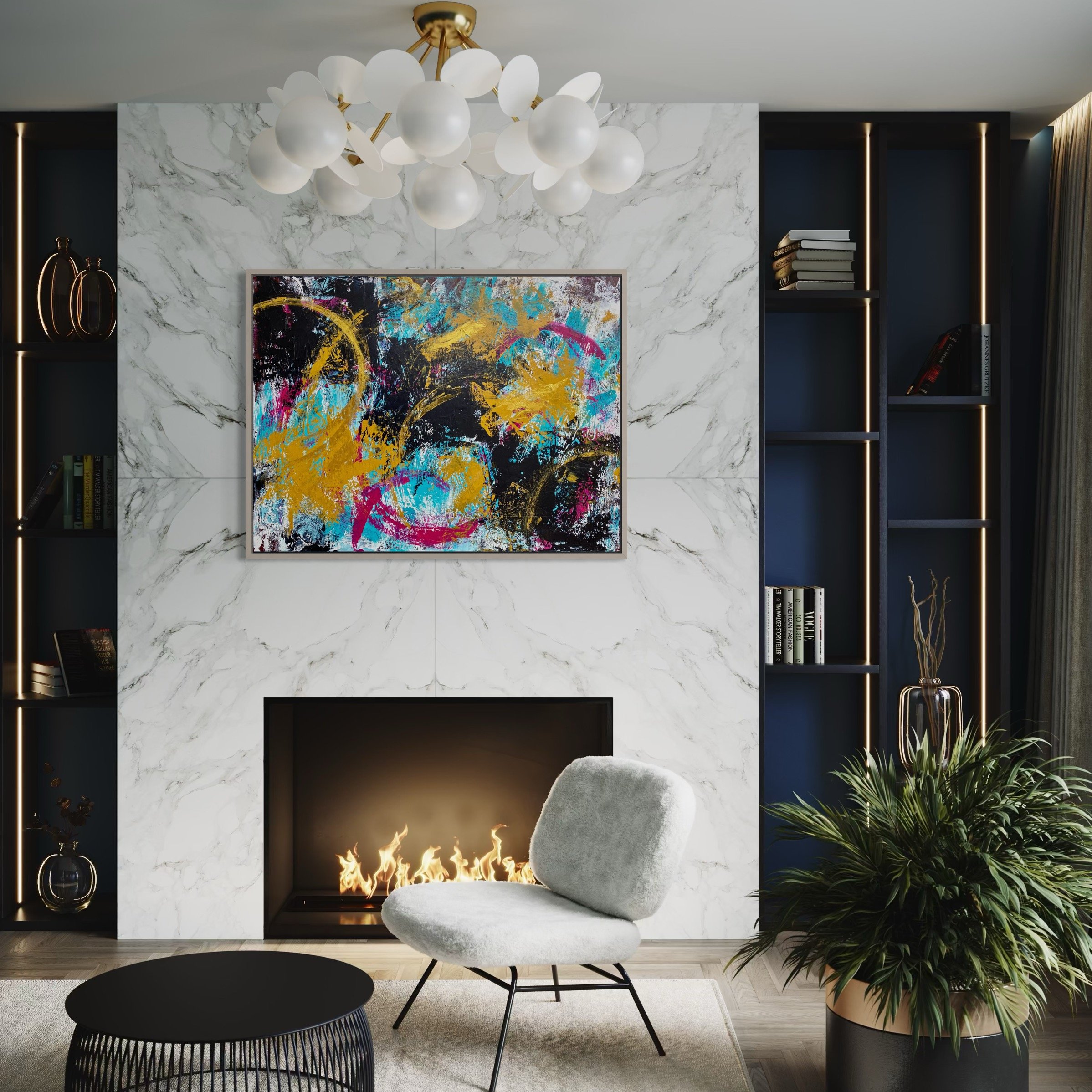
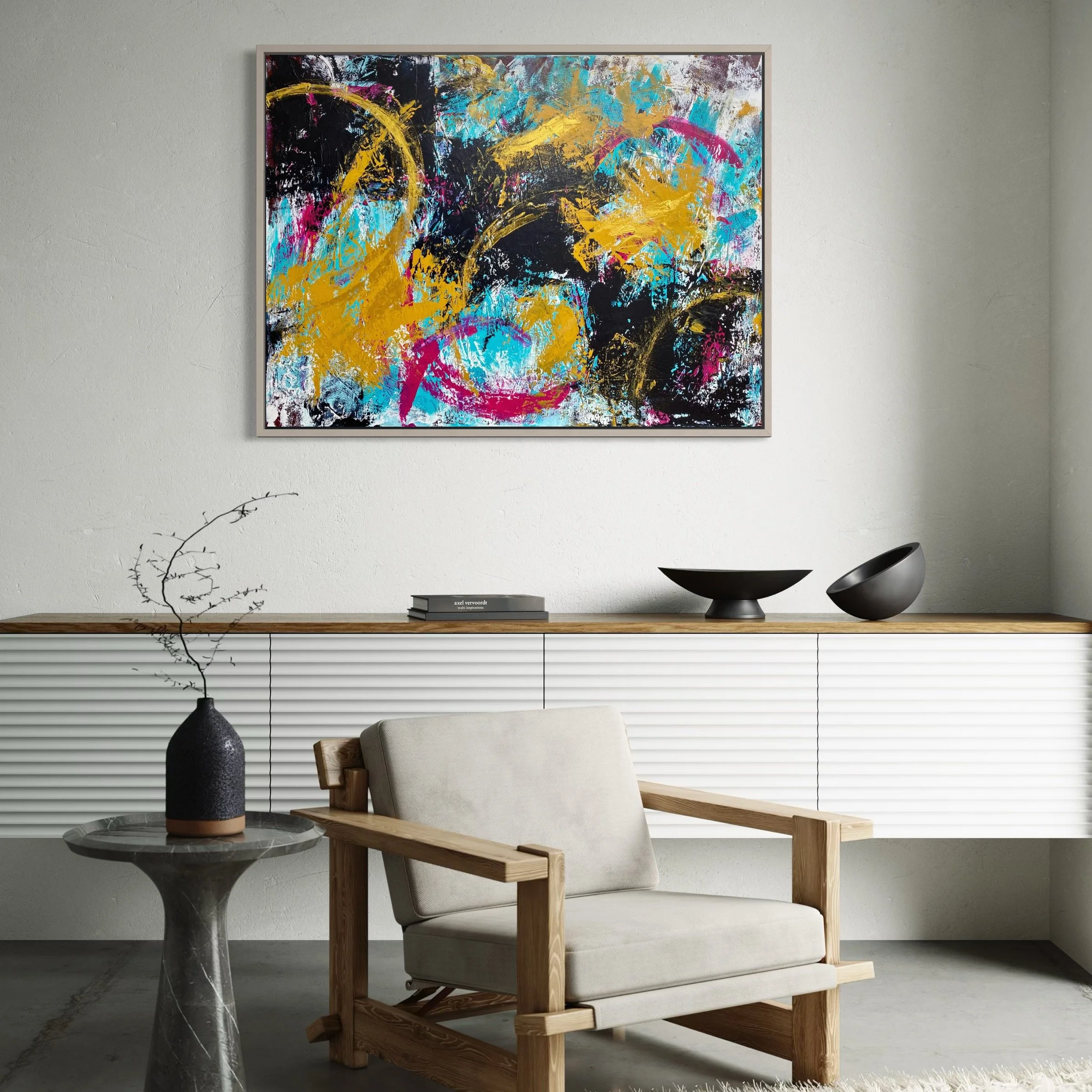
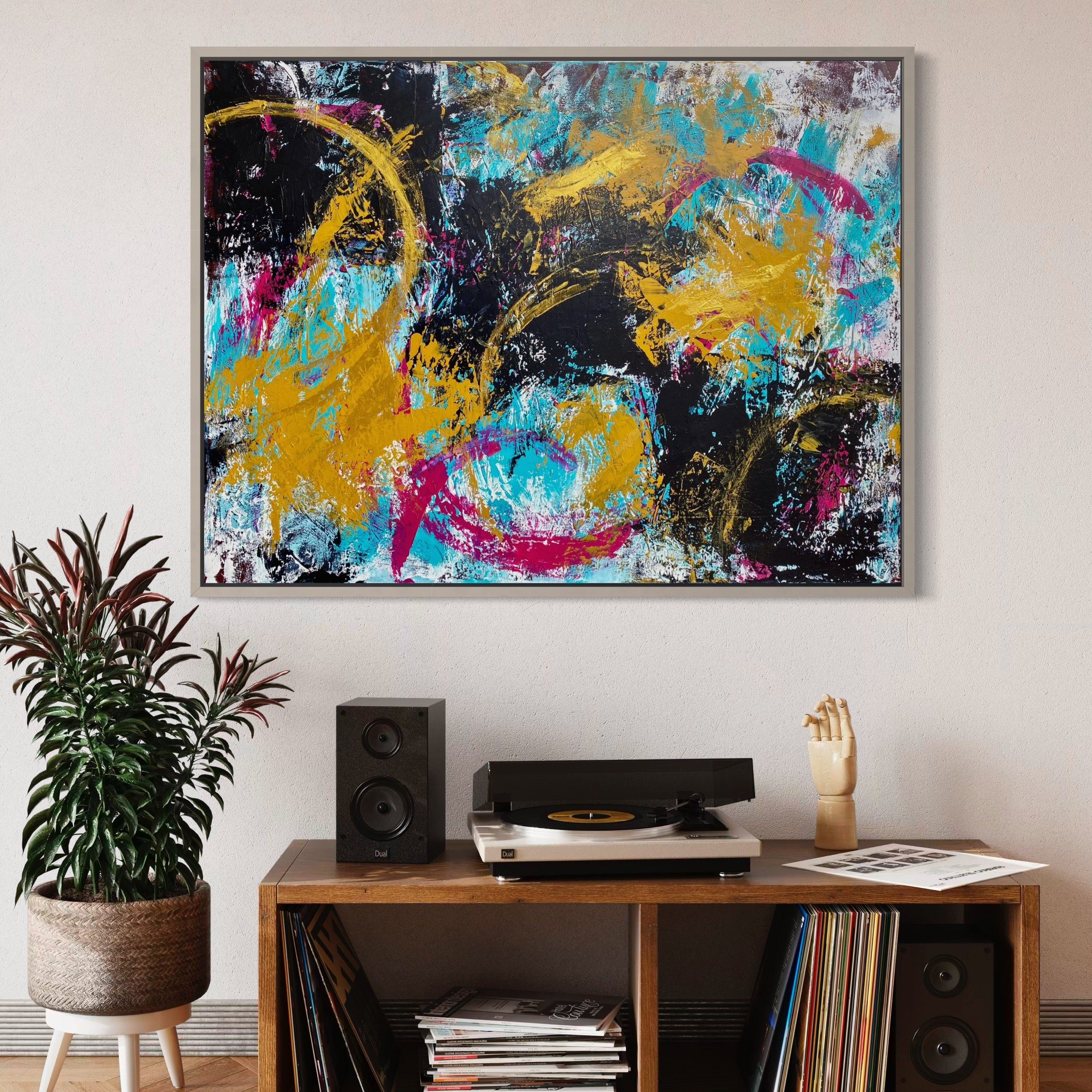
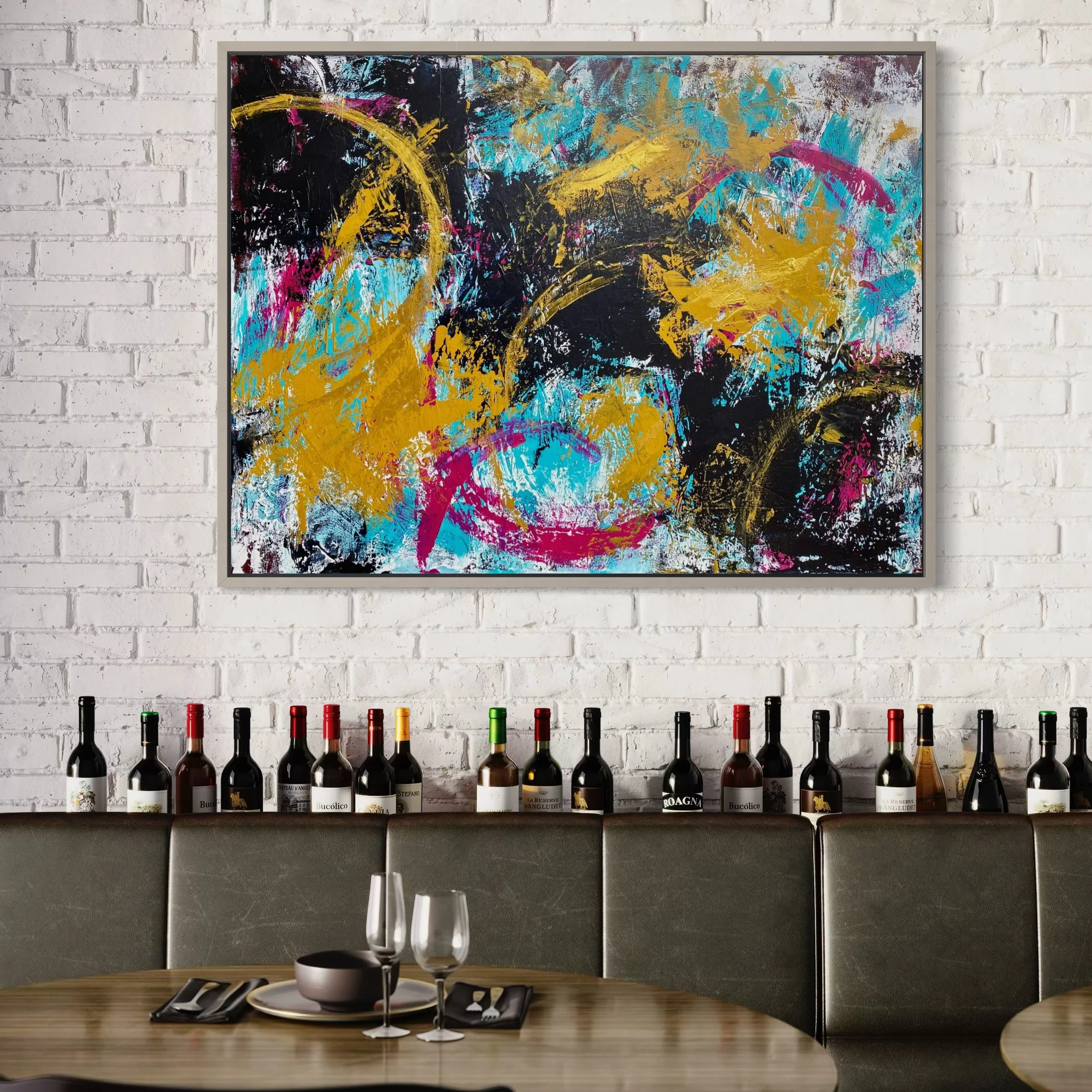
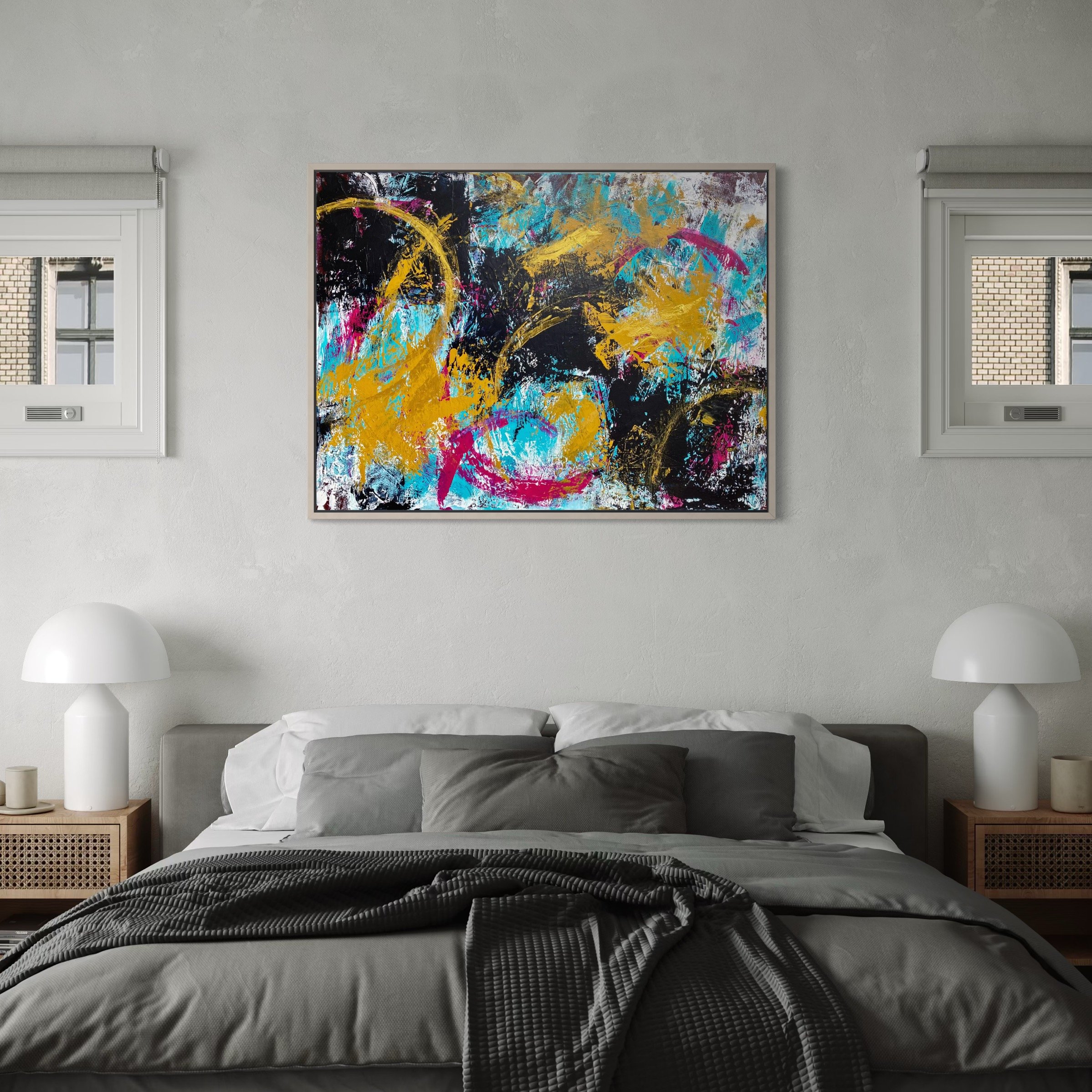
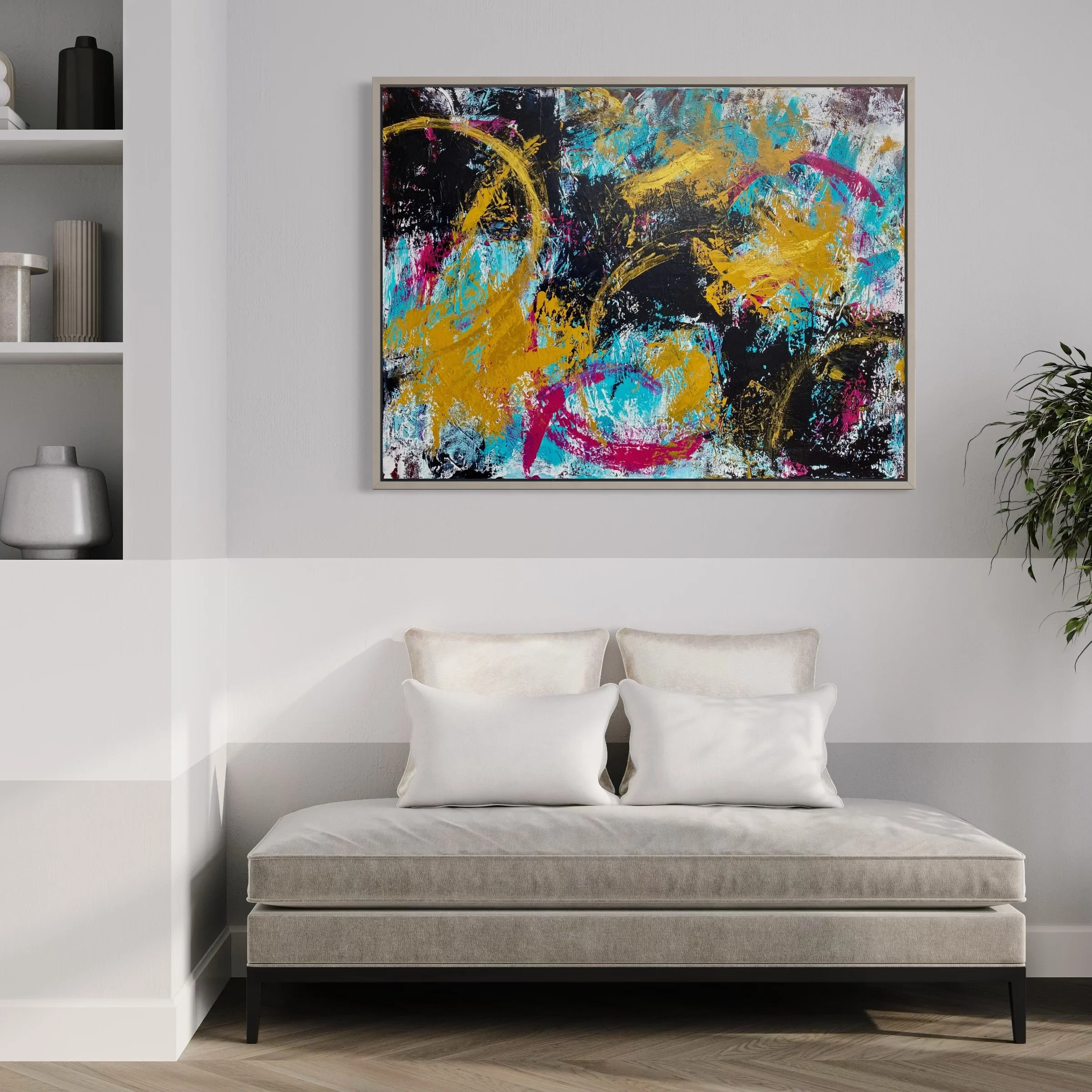
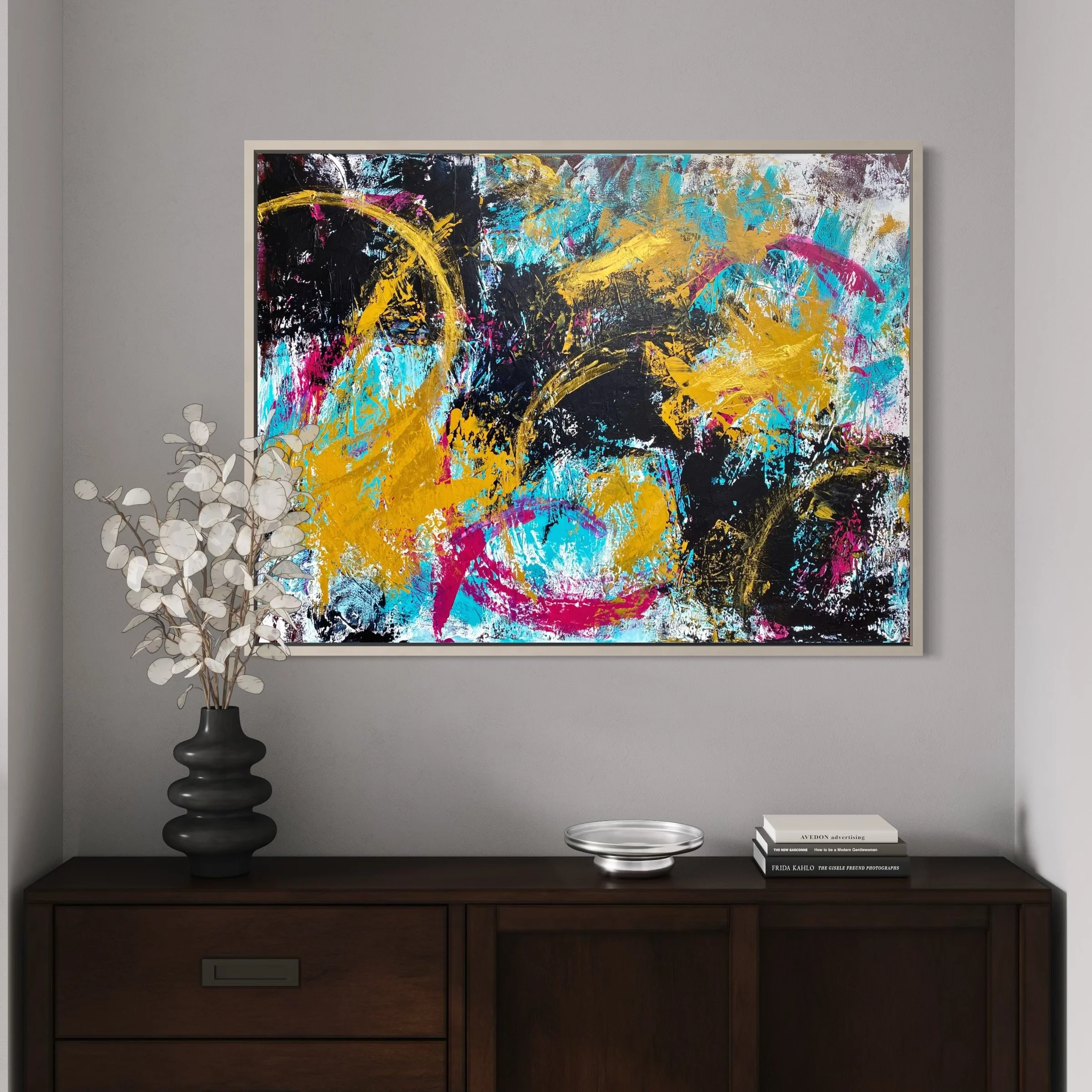
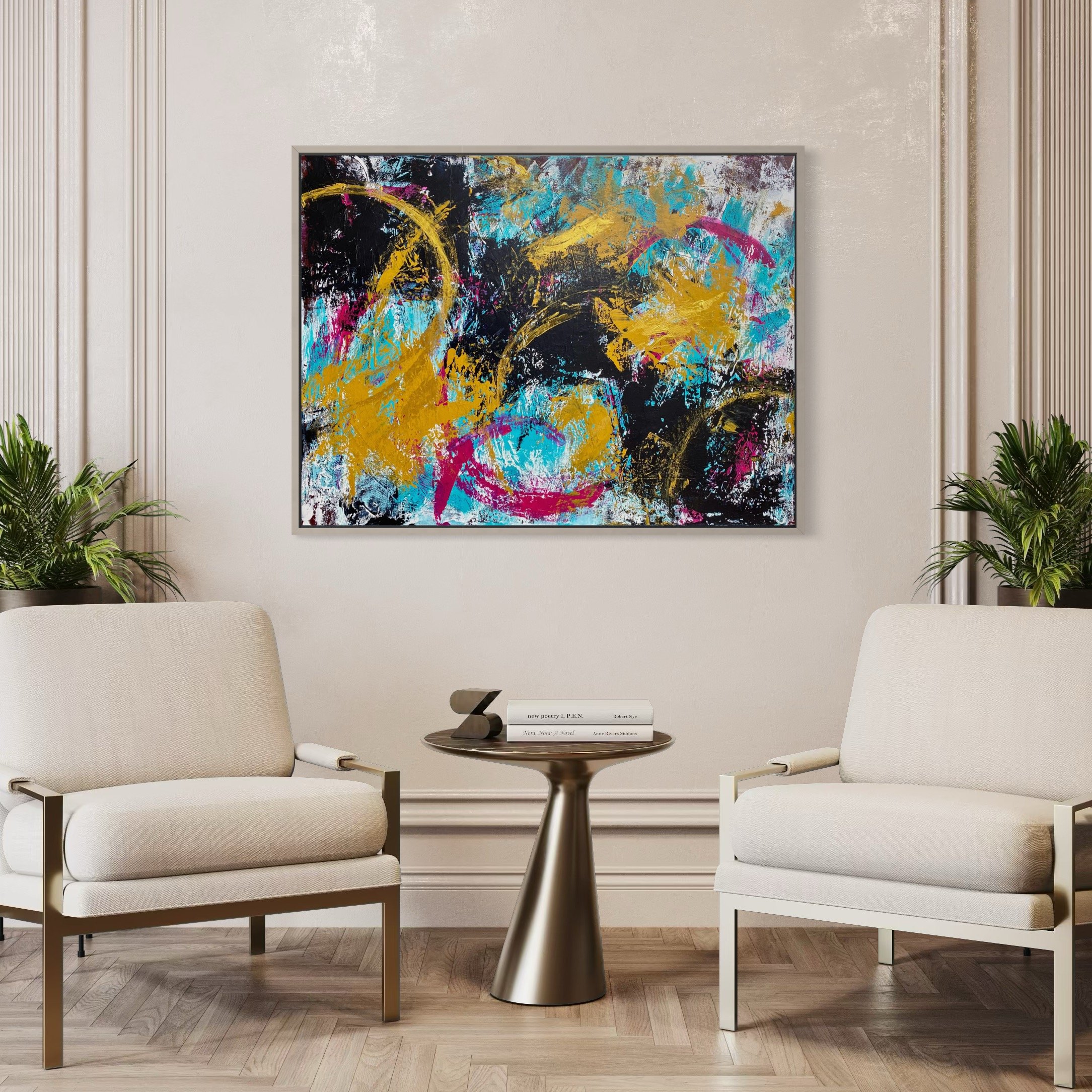
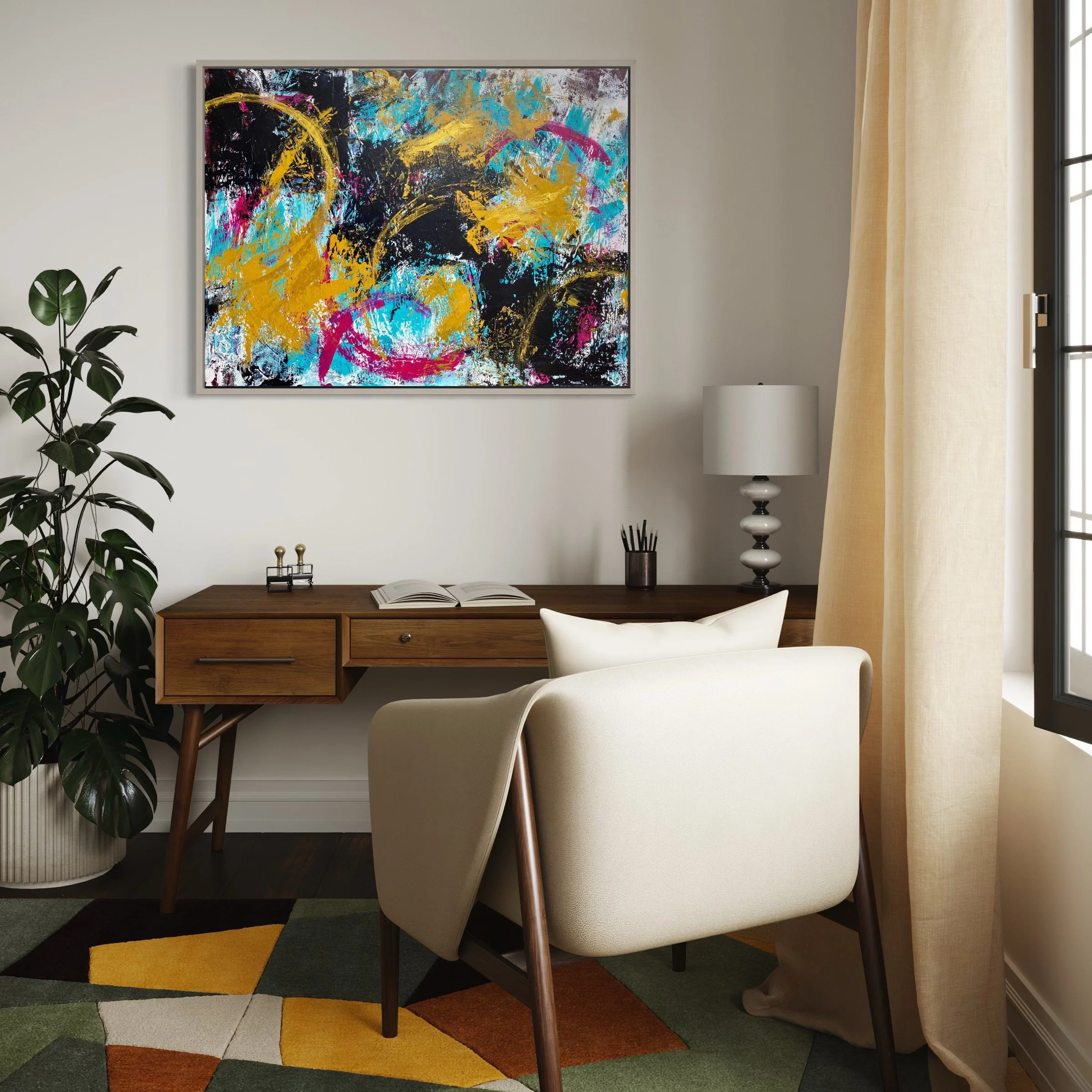
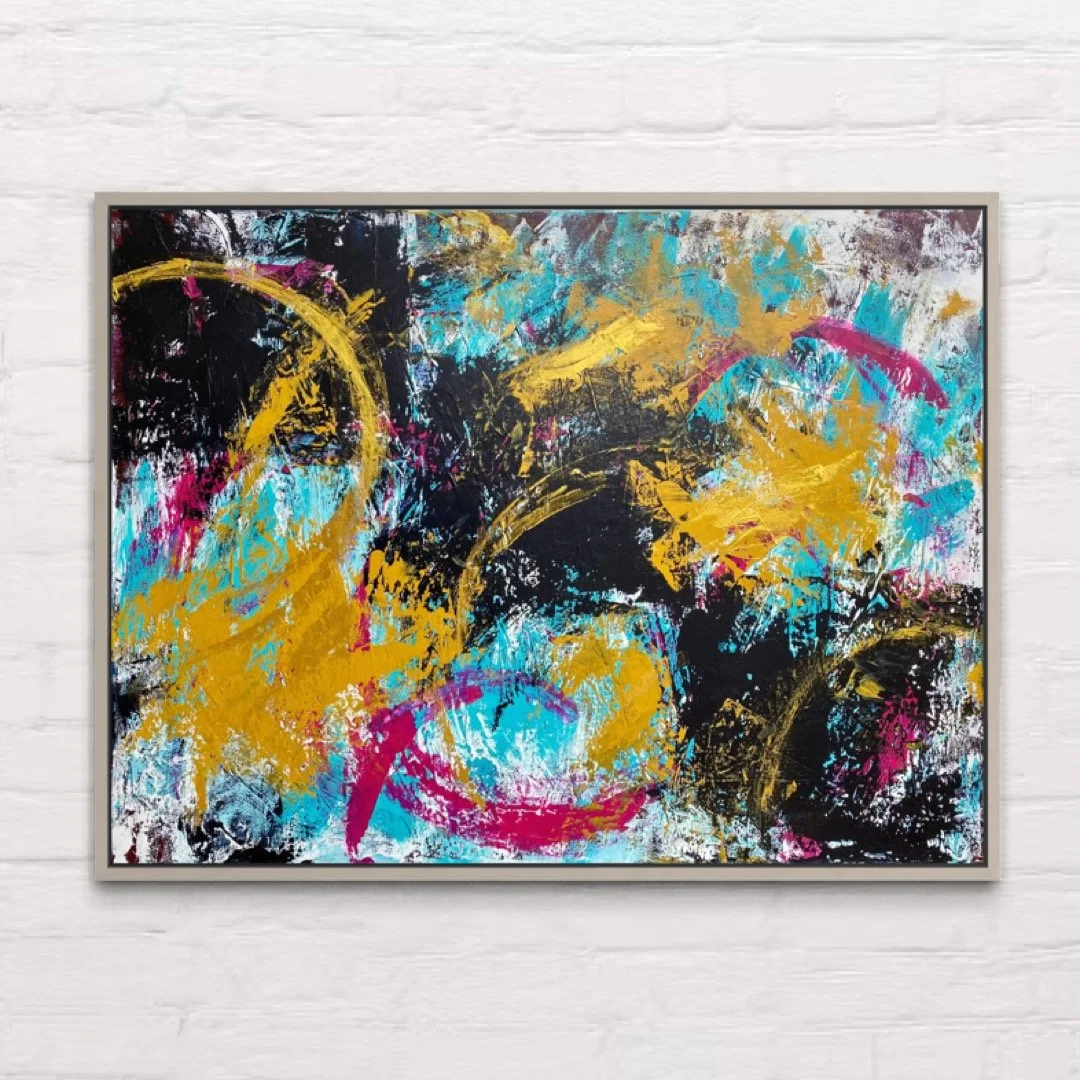
Built over a maroon ground and layered with white, blue, Payne’s gray, yellowed orange, magenta, and gold, the composition shifts darker and sharper than much of my other work. There are harder lines here. Colder edges. Forms that feel architectural — almost blunt. Strong geometric interruptions cut through softer layers beneath them.
Control and disruption coexist.
The same day I began this piece, I had blood drawn to monitor circulating cancer cells as part of ongoing post-treatment care. It’s a strange terrain to inhabit: not in crisis, not declared free, simply living under quiet observation.
I think I expected healing to look softer than this. More obviously tender. Maybe stitched or visibly repaired.
Instead, it looks structured. Stark. Composed. Withholding even.
This painting is a visual representation of healing not resembling what I thought it would be. Healing that doesn’t round its corners. Healing that still carries shadow. Healing that builds new architecture over what once was.
This work reflects that space.
Not fragile.
Not resolved.
Still standing.
Still Standing
This piece began as a painting from two years ago titled Slowly — a work that was admired by many but never fully felt like mine. Recently, I decided to paint over it.
The morning I began, I forgot the canvas was leaning on the floor and struck my foot hard against its edge. The injury lingered, dark and painful — most likely a broken toe — but I painted anyway.
Built over a maroon ground and layered with white, blue, Payne’s gray, yellowed orange, magenta, and gold, the composition shifts darker and sharper than much of my other work. There are harder lines here. Colder edges. Forms that feel architectural — almost blunt. Strong geometric interruptions cut through softer layers beneath them.
Control and disruption coexist.
The same day I began this piece, I had blood drawn to monitor circulating cancer cells as part of ongoing post-treatment care. It’s a strange terrain to inhabit: not in crisis, not declared free, simply living under quiet observation.
I think I expected healing to look softer than this. More obviously tender. Maybe stitched or visibly repaired.
Instead, it looks structured. Stark. Composed. Withholding even.
This painting is a visual representation of healing not resembling what I thought it would be. Healing that doesn’t round its corners. Healing that still carries shadow. Healing that builds new architecture over what once was.
This work reflects that space.
Not fragile.
Not resolved.
Still standing.